Manufacturers
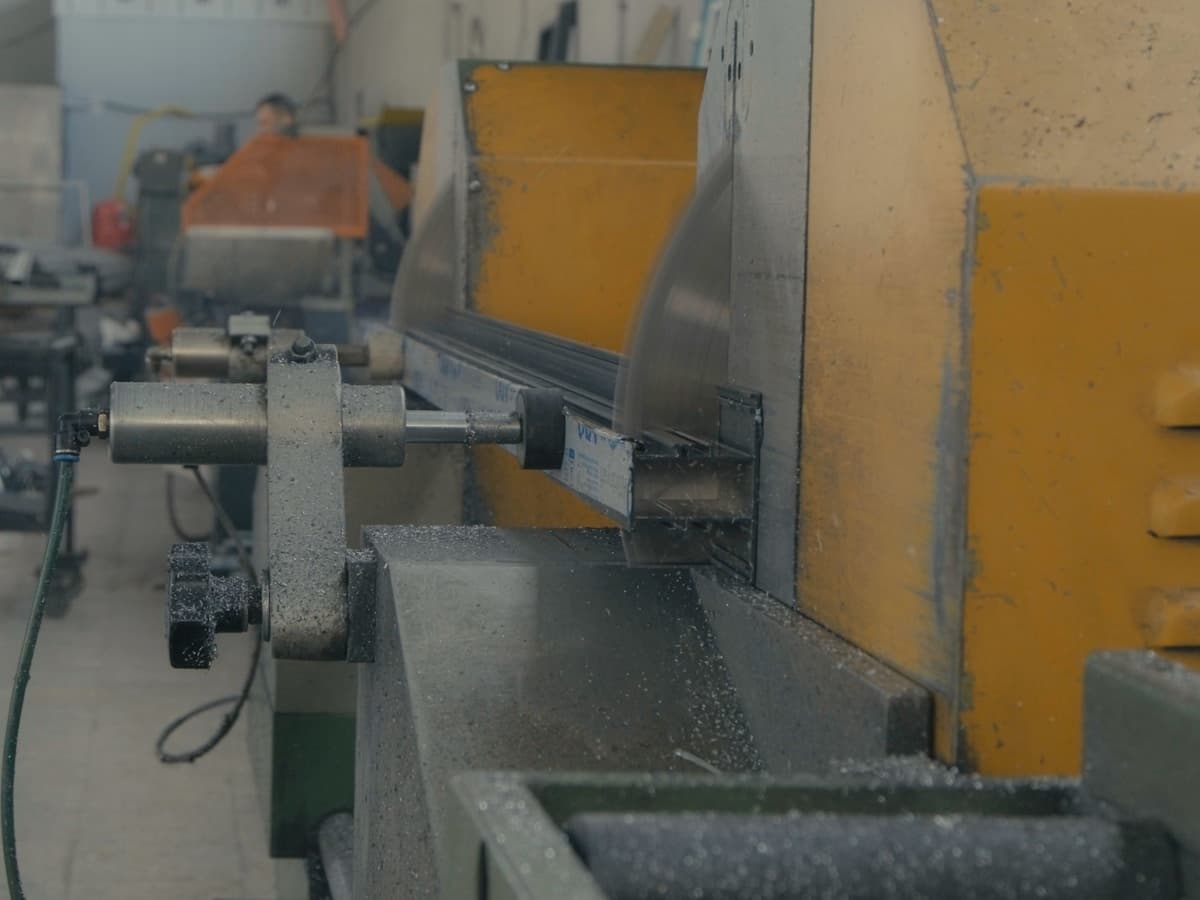
Businesses with material trade debtors plus raw materials and WIP stock. ABL unlocks working capital without leaning on a bank overdraft.
Debtors, stock, plant, and property combined into a single revolving facility.
Asset-based lending pulls multiple collateral types into one facility. A typical ABL structure combines an invoice finance line against trade debtors with a stock loan against inventory, sometimes with a plant element layered on top. The aggregate availability is materially higher than any single product on its own.
ABL suits businesses with substantial working capital tied up in receivables and stock but a profit profile that bank cashflow facilities struggle to support. Acquisitive trading businesses, manufacturers with long cash-conversion cycles, and wholesalers carrying deep stock are the standard fits.
Pricing depends on the asset mix. Debtor-heavy facilities price closer to invoice finance levels. Stock and plant elements carry higher margins. We model the blended cost up front so the borrower can compare ABL against a stacked alternative on a like-for-like basis.
Three patterns we see most often. The first conversation finds out which one you're closest to.
Businesses with material trade debtors plus raw materials and WIP stock. ABL unlocks working capital without leaning on a bank overdraft.
Deep stock holdings against thin margin. ABL prices the stock as collateral rather than as a working-capital drain.
Buy-and-build operators using ABL as a flexible working-capital base across multiple trading subsidiaries.
The sectors below are where we place this product most often. Each links to a fuller sector page.
Five minutes on a call gives us enough to come back with indicative options once we've sounded out the right funders.